


How content quality affects SEO performance and boosts conversions
Publishing more content does not always create better SEO performance.
In fact, more content can make SEO worse when the content is thin, repetitive, generic, outdated, or disconnected from user intent.
That is why content quality matters more than content volume.
Search engines and AI search platforms are getting better at identifying content that is useful, original, structured, trustworthy, and aligned with what users actually need. A website filled with shallow articles may look active, but activity is not the same as authority.
The goal is not to publish as much as possible.
The goal is to create content that deserves to rank.
Why Content Quality Matters for SEO
Content quality affects SEO performance because search engines need to determine which pages are most helpful, credible, and relevant for a user’s query.
Google’s guidance on AI-generated content reinforces this point clearly: its ranking systems are designed to reward original, high-quality content that demonstrates expertise, experience, authoritativeness, and trustworthiness, regardless of whether AI was used in the creation process.
That means the issue is not whether content was written with AI, by a human, or through a hybrid process.
The issue is whether the final content is useful.
High-quality SEO content usually has:
- a clear purpose
- original insight
- accurate information
- useful structure
- strong topical relevance
- real expertise
- helpful examples
- trustworthy sourcing
- clear next steps
- alignment with user intent
Low-quality content often has the opposite problem. It may target a keyword, but it does not fully answer the question, add meaningful value, or help the reader make a decision.
This is why strong SEO services should evaluate content quality, technical health, internal linking, and conversion paths together.
Usefulness Over Volume
Content marketing quality over quantity is not a new idea, but AI has made it more important.
AI tools have made it easier to produce large amounts of content quickly, but easier production does not automatically create stronger SEO results.
Publishing more content can make SEO performance worse when teams scale output without improving usefulness, differentiation, or strategic focus.
This is the trap many brands fall into.
They publish more articles, more landing pages, more AI-assisted posts, and more keyword variations, but the site does not become more helpful. It becomes more cluttered.
A bloated content library can create problems such as:
- keyword cannibalization
- outdated articles
- duplicate ideas
- weak internal linking
- thin topic coverage
- poor crawl efficiency
- unclear topical authority
- lower trust
Strong content strategy is not about filling a calendar. It is about building a useful resource library that supports search visibility, brand authority, and conversion.
How to Create Content That Ranks
The Usefulness Over Volume Matrix
Focus on quality and value to users to avoid content clutter
DE NOVO DIGITAL
denovodigital.com
Can AI Content Rank in Search?
Yes, AI-assisted content can rank.
But AI content does not rank simply because it exists.
Whether content ranks depends less on whether AI was used and more on whether the content shows signs of quality, originality, and human usefulness. That aligns with Google’s guidance.
AI is not automatically a problem. Low-quality content is.
AI can help with research organization, outlines, drafts, summaries, topic expansion, content refreshes, and optimization. But it should not replace expertise, judgment, fact-checking, brand voice, or strategy.
The strongest AI-assisted content usually includes:
- human editorial oversight
- subject matter expertise
- original examples
- accurate sourcing
- brand-specific perspective
- clear structure
- useful recommendations
- careful revision
AI can help teams create content more efficiently. It cannot decide what your audience actually needs from your brand.
How to Write Content That Ranks
Writing content that ranks starts with understanding the user’s real intent.
A keyword tells you what someone typed. It does not always tell you what they need.
Someone searching “how to write SEO content that ranks” may need a checklist, a process, examples, best practices, or an explanation of what quality content looks like. A strong article should address the deeper need, not just repeat the keyword.
AI content can rank, but quality and value for users is still the deciding factor.
Start With Search Intent
Before writing, identify what the user is trying to accomplish.
Ask:
-
-
- Are they trying to learn?
- Are they comparing options?
- Are they solving a problem?
- Are they evaluating a service?
- Are they ready to buy?
- Are they looking for examples?
-
Search intent should shape the structure, depth, tone, and call to action.
Add Original Value
High-quality SEO content should add something meaningful.
That might include:
-
-
- a clear framework
- a useful checklist
- original examples
- a stronger explanation
- industry-specific context
- data interpretation
- expert perspective
- practical next steps
- a clear framework
-
If your content says the same thing as every other article, it gives users and search systems little reason to prefer it.
Structure Content Clearly
Structure matters for both SEO and AI search.
A strong article should use descriptive headings, concise explanations, scannable sections, internal links, and clear answers to common questions. This helps human readers move through the content and helps AI systems understand the page.
It is also important to audit, structure, and enhance content – including optimizing technical elements – so it can remain visible across AI-powered search experiences.
Connect Content to Conversion
SEO content should not exist only to attract traffic.
The best content helps the right users take the next step. That next step might be reading a related article, downloading a guide, visiting a service page, requesting a consultation, subscribing to email, or exploring a product.
Content quality affects conversions because better content builds confidence. It answers objections. It clarifies expertise. It helps users understand why your business is a credible option.
Many popular AEO tools can help teams see whether content is being surfaced across answer-driven search environments and how those engagements are sparking conversions.
How to Create Content That Ranks
High-Quality SEO Content Checklist
What High-Quality SEO Content Looks Like
High-quality SEO content is not defined by word count alone.
A 900-word article can be excellent if it answers a focused question clearly. A 3,000-word article can underperform if it is repetitive, unfocused, or padded.
Quality content for SEO usually includes:
- clear alignment with the target keyword
- direct answers to important questions
- useful examples
- accurate information
- strong internal linking
- external sources where helpful
- expert or brand perspective
- readable formatting
- natural keyword usage
- strong title and meta description
- clear calls to action
The best SEO firms for high-quality content creation do not simply produce more copy. They build content systems that support visibility, authority, and conversion.
Content That Ranks in AI Search
Content that ranks in AI search needs to be easy to interpret, summarize, and trust.
AI systems often pull from pages that answer questions clearly and provide strong contextual signals. That does not mean every article needs to be written in FAQ format, but it does mean structure matters.
To create content that ranks in AI search, focus on:
- clear definitions
- question-based sections
- concise answers
- topical depth
- credible sourcing
- entity clarity
- consistent brand information
- schema markup where appropriate
- updated content
- strong internal links
- original insight
AI search also values authority signals beyond the page itself. Reviews, backlinks, citations, brand mentions, author expertise, and reputation can all influence whether a brand or page is trusted.
For a worked example, our AI-search case study walks through a site rebuilt for machine readability, where all eight citations in ChatGPT's answer point to the firm's own pages.
Most AEO services focus on content that is easy to interpret, cite, and connect to clear brand expertise. That is why high-quality SEO content should be part of a broader visibility strategy, not an isolated publishing task.
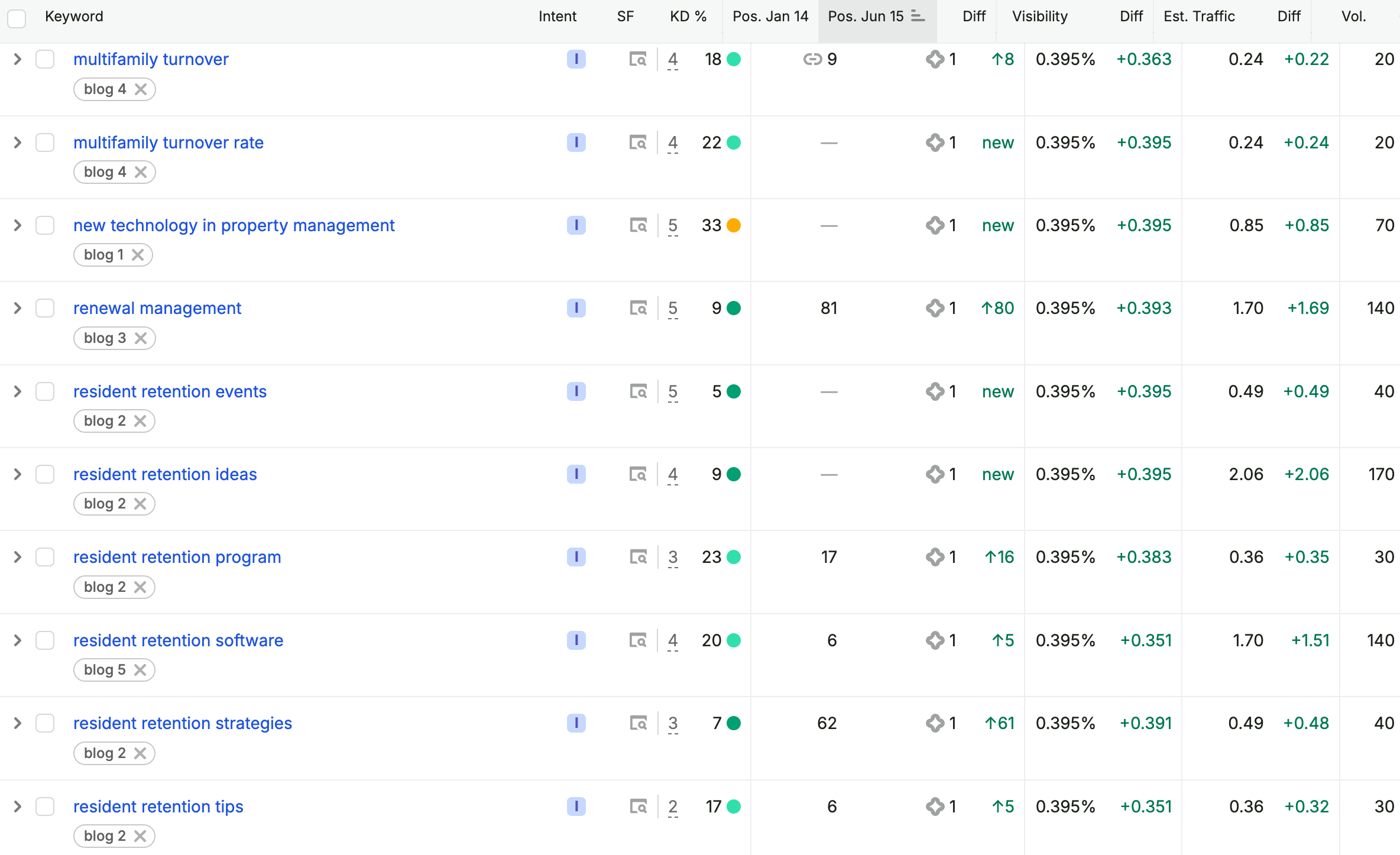
How to Improve SEO Content Quality
Improving SEO content quality often starts with auditing what already exists.
Many websites do not need more content immediately. They need better content architecture.
Start by reviewing:
- pages with declining traffic
- articles ranking on page two
- outdated posts
- duplicate or overlapping topics
- thin pages
- pages with high impressions but low clicks
- pages with traffic but no conversions
- pages with weak internal links
- content that no longer matches search intent
From there, decide whether each page should be improved, consolidated, redirected, expanded, or removed.
A strong content refresh may include:
- updating outdated information
- improving headings
- adding examples
- strengthening expertise
- adding internal links
- improving calls to action
- adding schema
- rewriting weak sections
- consolidating duplicate content
- improving readability
A detailed SEO audit can help identify thin content, duplicate topics, weak internal links, and technical issues that limit performance. Sometimes the best SEO move is not creating another article – it’s making an existing article more useful.
How Content Quality Supports Organic Traffic and Conversions
Organic traffic is valuable only when it brings the right users to the right experience.
High-quality SEO content can support growth by:
- attracting more qualified visitors
- improving topical authority
- earning backlinks
- increasing engagement
- supporting AI visibility
- strengthening brand trust
- answering objections
- guiding users to service pages
- improving conversion paths
Weak content may bring traffic, but it rarely builds confidence.
Strong content helps users understand the problem, evaluate the solution, and trust the business behind the answer, while supporting conversion rate optimization by guiding users toward the next step.
This is where content quality becomes a growth lever. It improves not only SEO performance, but also the user journey.
To understand its impact, custom SEO dashboards tailored to map the most valuable organic and AI search metrics for each campaign can help teams measure whether content is improving visibility, engagement, and AI search presence.
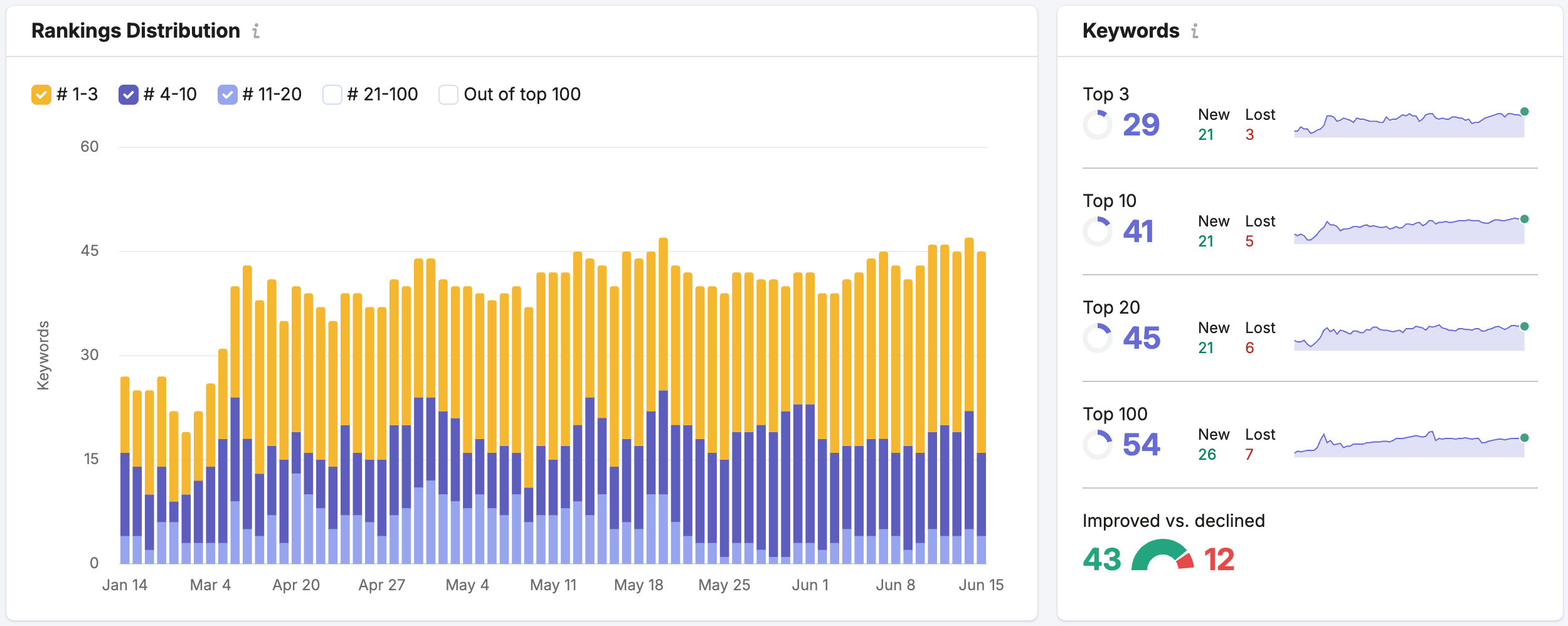
Build Content That Deserves to Rank
The future of SEO is not about choosing between human content and AI content.
It is about creating better content.
Useful content still wins because users want clear answers, credible guidance, and information they can act on. Search engines and AI platforms are moving in the same direction.
At De Novo Digital, we help businesses build SEO and content strategies focused on usefulness, authority, AI visibility, and conversion. From content audits and topic strategy to article development, optimization, and performance tracking, we help brands create content that earns visibility and supports growth.
If your team is publishing more but seeing less return, the answer may not be more volume.
It may be better content.
Get in touch with us today to learn more about how you can build better content.