


Practical B2B SaaS lead generation strategies for attracting, converting, and nurturing higher-quality prospects
For B2B SaaS companies, lead generation needs to create qualified pipeline, not just contact records and form fills. A campaign that produces hundreds of low-fit leads may look successful in a dashboard, but it can waste sales time, inflate acquisition costs, and make marketing performance harder to evaluate.
Successful SaaS lead generation connects the right audience, message, channel, offer, landing page, conversion path, CRM workflow, and sales follow-up.
The goal is better leads that are more likely to become opportunities, customers, and long-term accounts.
What Is SaaS Lead Generation?
SaaS lead generation is the process of attracting potential buyers, capturing interest, and moving qualified prospects into a sales or product-led growth process.
For some SaaS companies, that may mean demo requests. For others, it may mean free trials, product signups, content downloads, webinar registrations, pricing page visits, contact sales requests, or account-based engagement.
Lead generation for SaaS companies usually depends on a mix of:
- SEO
- paid search
- paid social
- content marketing
- product-led growth
- email nurture
- webinars
- comparison pages
- review sites
- partner marketing
- retargeting
- CRM workflows
- sales development
- conversion rate optimization
The most effective SaaS lead generation strategies are not built around one channel. They are built around how real buyers research, compare, trust, and choose software.
Why B2B SaaS Lead Generation Is Different
B2B SaaS lead generation is different because SaaS buying decisions are rarely simple.
A single buyer may not control the decision. A prospect might need input from finance, IT, operations, legal, security, procurement, department leaders, or executive stakeholders.
That means SaaS marketing has to support more than one person and more than one stage of the buying journey.
A strong B2B SaaS lead generation system should help answer:
- What problem does the software solve?
- Who is it built for?
- How does it compare to alternatives?
- What integrations does it support?
- How fast can the team implement it?
- What does it cost?
- What proof exists?
- What happens after someone signs up?
- How does the product support ROI?
A form fill is only one signal. Strong SaaS lead generation looks at the quality of the account, the intent behind the action, and the likelihood that the prospect can become a customer.
The Lead Quality Problem in SaaS
Many SaaS teams struggle because marketing and sales define “good leads” differently.
Marketing may celebrate lead volume. Sales may care about fit, urgency, buying authority, budget, company size, and use case. Leadership may care about pipeline, customer acquisition cost, payback period, and revenue.
That disconnect creates friction.
Lead generation benchmarks show that many B2B marketers struggle to connect marketing performance to business outcomes and align marketing-generated leads with sales expectations. That is the central challenge for SaaS lead generation: activity only matters if it creates the right kind of pipeline.
A SaaS lead generation agency or internal growth team should define success beyond raw lead count.
Better metrics include:
- qualified demo requests
- product signups from ideal customer profiles
- trial-to-paid conversion rate
- marketing-qualified account volume
- sales-qualified opportunities
- pipeline created
- cost per qualified opportunity
- customer acquisition cost
- payback period
- revenue by source
- retention or expansion quality by source
The best SaaS lead generation strategy starts by defining what a valuable lead actually means.
B2B SaaS Lead Generation Strategies That Work
Like many industries, digital marketing for SaaS companies is not a one-size-fits-all offering – it requires a tailored approach that fits the company’s goals and targets their user base effectively.
There is no single best channel for every SaaS company. A vertical SaaS company selling to enterprise buyers will need a different approach than a product-led SaaS company selling to small teams.
But most successful B2B SaaS lead generation strategies include several core pieces.
1. Build SEO Around Buyer Intent
SEO campaigns should not only target top-of-funnel educational keywords.
Effective SaaS SEO targets the full decision journey, including:
-
-
- problem-aware keywords
- use-case keywords
- integration keywords
- industry-specific keywords
- comparison keywords
- pricing and ROI keywords
- security and compliance questions
- product category terms
- problem-aware keywords
-
For example, a SaaS company should not only write about the problem its product solves. It should also create pages that help buyers compare tools, evaluate workflows, understand implementation, and make a case internally.
Typically, SEO and AEO for SaaS companies relies on content designed for product education, comparison, differentiation, and conversion. SEO supports lead generation best when content is mapped to buyer intent and connected to conversion paths.
That means educational articles should guide users toward relevant product pages, comparison pages, demos, trials, calculators, templates, or webinars.
2. Create Content That Helps Buyers Make Decisions
B2B SaaS buyers do a lot of research before contacting sales. That makes content one of the most important lead generation assets for SaaS companies.
Useful SaaS content may include:
-
-
- comparison pages
- buyer guides
- ROI calculators
- implementation checklists
- integration pages
- use-case articles
- industry pages
- templates
- benchmark reports
- product walkthroughs
- customer stories
- webinars
- FAQs
- demo videos
- comparison pages
-
The same principles behind content quality and SEO performance apply here: useful, specific content is more likely to support search visibility, trust, and conversion.
A buyer should leave the content with a clearer understanding of the problem, the options, the tradeoffs, and the next step.
Content can also help SaaS companies generate leads before the buyer is ready for a demo. A template, calculator, guide, checklist, or webinar can capture interest and start a nurture path.
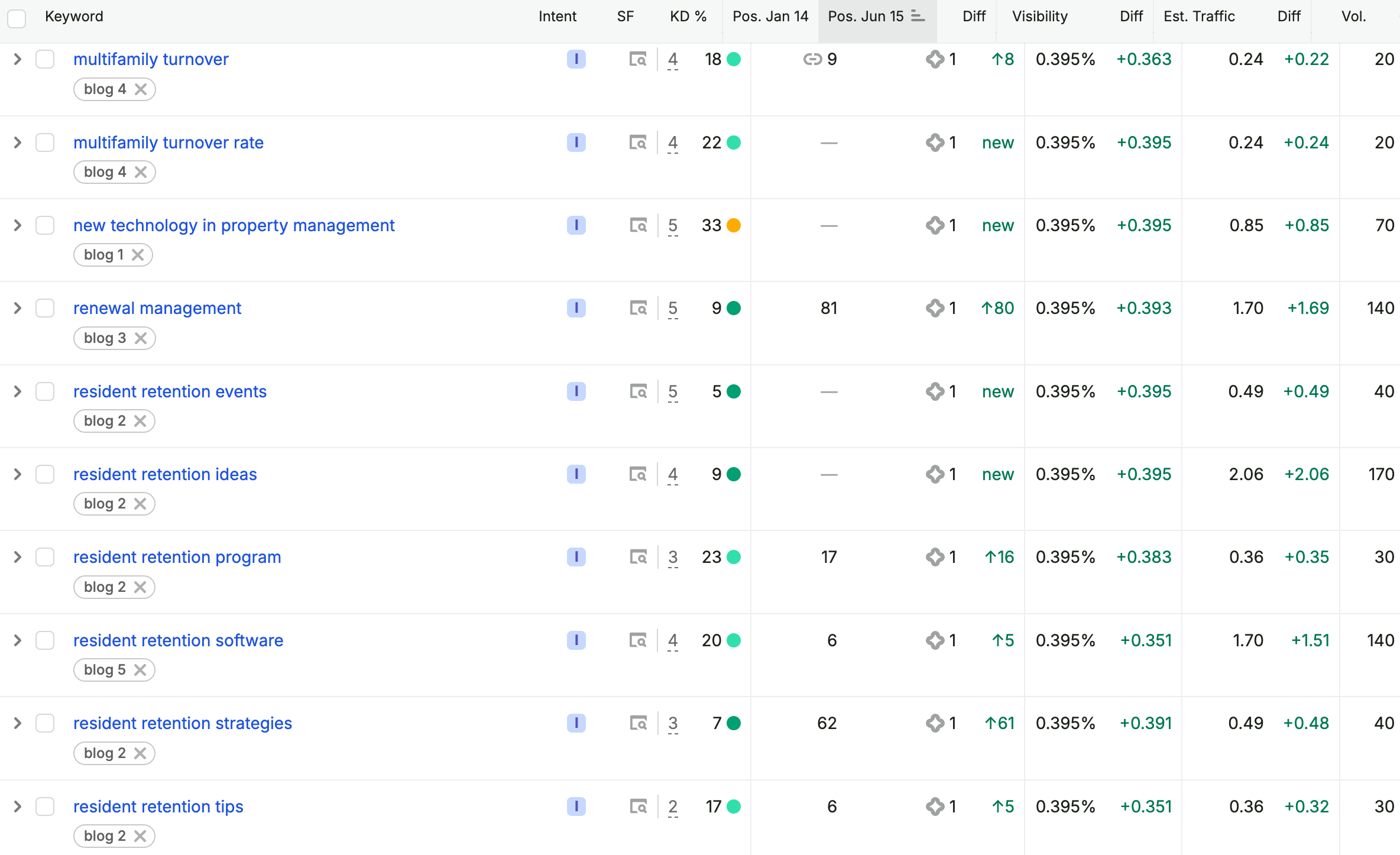 Building content that ranks in AI search results for informational keywords is a great way to increase brand mentions, topical authority, and trust signals – while generating leads.
3. Use Paid Media for Intent, Testing, and Scale
Paid media can help SaaS companies reach buyers faster than organic channels alone.
Paid search can capture high-intent demand from buyers actively searching for a solution. Paid social can reach specific roles, industries, account types, or pain points. Retargeting can bring visitors back after they view pricing, comparison, or product pages.
Paid media is especially useful for:
-
-
- testing positioning
- promoting gated resources
- driving demo requests
- retargeting high-intent visitors
- supporting product launches
- reaching specific industries
- building account-based campaigns
- validating new messaging
- scaling proven offers
- testing positioning
-
But paid media can waste budget quickly if conversion tracking is weak.
AI-driven campaigns implementing tools like AI Max and Performance Max are reshaping paid search by automating targeting, creative, and landing page matching. That makes human strategy even more important. SaaS teams still need clear positioning, strong landing pages, reliable conversion data, and disciplined optimization.
For SaaS companies investing in search, social, retargeting, or AI-driven campaigns, coordinated paid media services can help align targeting, creative, landing pages, conversion tracking, and pipeline reporting.
4. Build Landing Pages for Conversion, Not Just Traffic
A SaaS landing page should make the next step obvious. Too many SaaS pages explain features without helping the buyer understand value, fit, proof, or action.
A strong lead generation landing page should include:
-
-
- clear positioning
- audience fit
- problem statement
- key benefits
- relevant product features
- integrations or workflows
- proof points
- customer examples
- FAQs
- clear CTA
- minimal friction
- trust signals
- tracking
- clear positioning
-
For SaaS lead generation, the landing page should also match the intent of the visitor.
Someone clicking a competitor comparison ad needs a different page than someone downloading a beginner’s guide. Someone searching for an integration may need technical proof. Someone visiting a pricing page may need reassurance and a path to talk to sales.
Better landing pages improve both conversion rate and lead quality.
Custom B2B web design and conversion rate optimization services can help to ensure the page experience helps buyers understand value and take the next step.
5. Use Product-Led Lead Generation
For many SaaS companies, the product itself is the strongest lead generation channel.
Free trials, freemium plans, interactive demos, calculators, templates, sandboxes, and guided product experiences can help prospects understand value before speaking with sales. Product-led lead generation works well when the product can demonstrate value quickly.
Important product-led signals may include:
-
-
- activation events
- feature usage
- team invites
- integration setup
- project creation
- usage frequency
- upgrade intent
- account fit
- trial engagement
- expansion signals
- activation events
-
A trial signup is not automatically a qualified lead. A user who activates quickly, invites teammates, connects data, or reaches a usage threshold may be much more valuable.
6. Nurture Buying Committees With Email and Automation
B2B SaaS buyers often need multiple touchpoints before they are ready to speak with sales. Email nurture and marketing automation help move prospects from interest to action.
Useful nurture workflows may include:
-
-
- guide download follow-up
- webinar follow-up
- free trial onboarding
- demo no-show sequences
- product education
- industry-specific nurture
- comparison content
- pricing page follow-up
- re-engagement campaigns
- sales handoff alerts
- guide download follow-up
-
Salesforce’s lead generation guidance emphasizes attracting the right leads, using personalized outreach, building automated campaigns, and providing value rather than noise. That applies directly to SaaS companies, especially when prospects are comparing multiple tools.
Automation should make follow-up more relevant. The goal is to give each prospect the next most useful piece of information based on what they have already done.
7. Use Review Sites and Social Proof Strategically
SaaS buyers often check third-party proof before speaking with sales.
Review platforms, customer stories, testimonials, analyst mentions, partner pages, and industry recognition can all influence lead quality. A SaaS lead generation company should look beyond the website and evaluate how the brand appears across the broader buying journey.
Useful proof assets include:
-
-
- G2 reviews
- case studies
- customer quotes
- implementation stories
- ROI examples
- integration partner pages
- security documentation
- industry awards
- comparison pages
- customer logos
- G2 reviews
-
Proof should appear where buyers need reassurance most: landing pages, pricing pages, comparison pages, retargeting ads, email nurture, and sales enablement.
Brand mentions, citations, and reviews are key features of AEO for small businesses – this is where you should shift your focus for organic growth after laying a strong SEO foundation with the structure and content of your website.
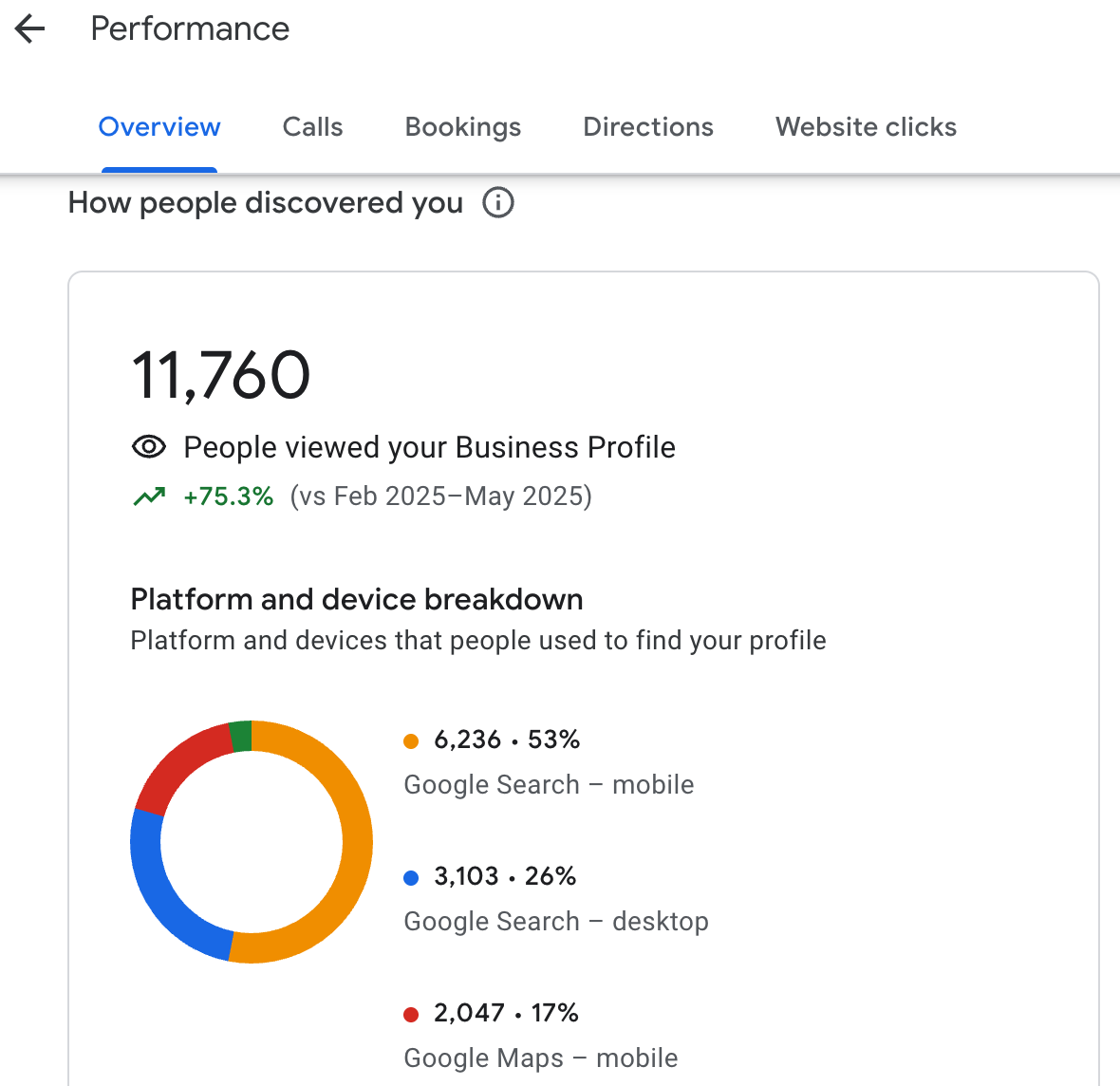 Google Business Profile can be an untapped pipeline for SaaS companies – improving your reviews can have a big impact on AI citations and visibility.
8. Prepare for AI-Driven Discovery
B2B SaaS buyers are increasingly using AI tools to research software categories, compare vendors, summarize options, and generate shortlists.
That changes how SaaS companies need to think about lead generation.
Generative and agentic AI are disrupting SaaS by automating tasks and replicating workflows. For SaaS companies, that means differentiation, workflow clarity, and trust signals are becoming more important. Buyers and AI systems both need to understand what makes the product valuable, defensible, and relevant.
To support AI-driven discovery, SaaS companies should create content that clearly explains:
-
-
- what the product does
- who it is for
- which workflows it supports
- what integrations it offers
- how it compares to alternatives
- what outcomes it helps create
- what proof supports those claims
- what questions buyers commonly ask
- what the product does
-
This is where SEO, AEO, content quality, and brand positioning start to overlap. If AI systems cannot understand what your product does or why it is different, your brand may be harder to surface in answer-driven research.
Tracking AI search metrics can help SaaS teams understand whether their brand, product category, and content are being surfaced across answer-driven search environments.
9. Track the Full Funnel
SaaS lead generation only works when measurement connects marketing activity to pipeline outcomes.
The right marketing analytics tools help SaaS teams see which channels, campaigns, landing pages, and content assets are creating qualified pipeline – not just traffic or form fills.
A dashboard that stops at form fills is not enough.
SaaS teams should track:
-
-
- sessions by source
- landing page conversion rate
- demo requests
- trial signups
- MQLs
- SQLs
- closed-won revenue
- CAC
- retention by source
- expansion by source
- sessions by source
-
This is especially important for B2B SaaS companies with long sales cycles.
The first conversion may happen weeks or months before the deal closes. Without CRM attribution and lifecycle reporting, teams may undervalue the channels that actually create pipeline.
A tailored HubSpot conversion tracking setup can help SaaS teams connect forms, lifecycle stages, ad platforms, CRM activity, and revenue reporting in one system.
10. Align Marketing and Sales Around Lead Definitions
The best B2B lead generation for SaaS depends on shared definitions.
Marketing, sales, and leadership should agree on what counts as a lead, MQL, SQL, product-qualified lead, sales-ready account, opportunity, and closed-won customer.
Without shared definitions, teams may optimize for different outcomes.
A simple lead scoring model may include:
-
-
- company size
- industry
- role
- geography
- use case
- source
- content engagement
- pricing page visits
- demo requests
- email engagement
- company size
-
The model does not need to be overly complex. It needs to help teams prioritize the prospects most likely to become valuable customers.
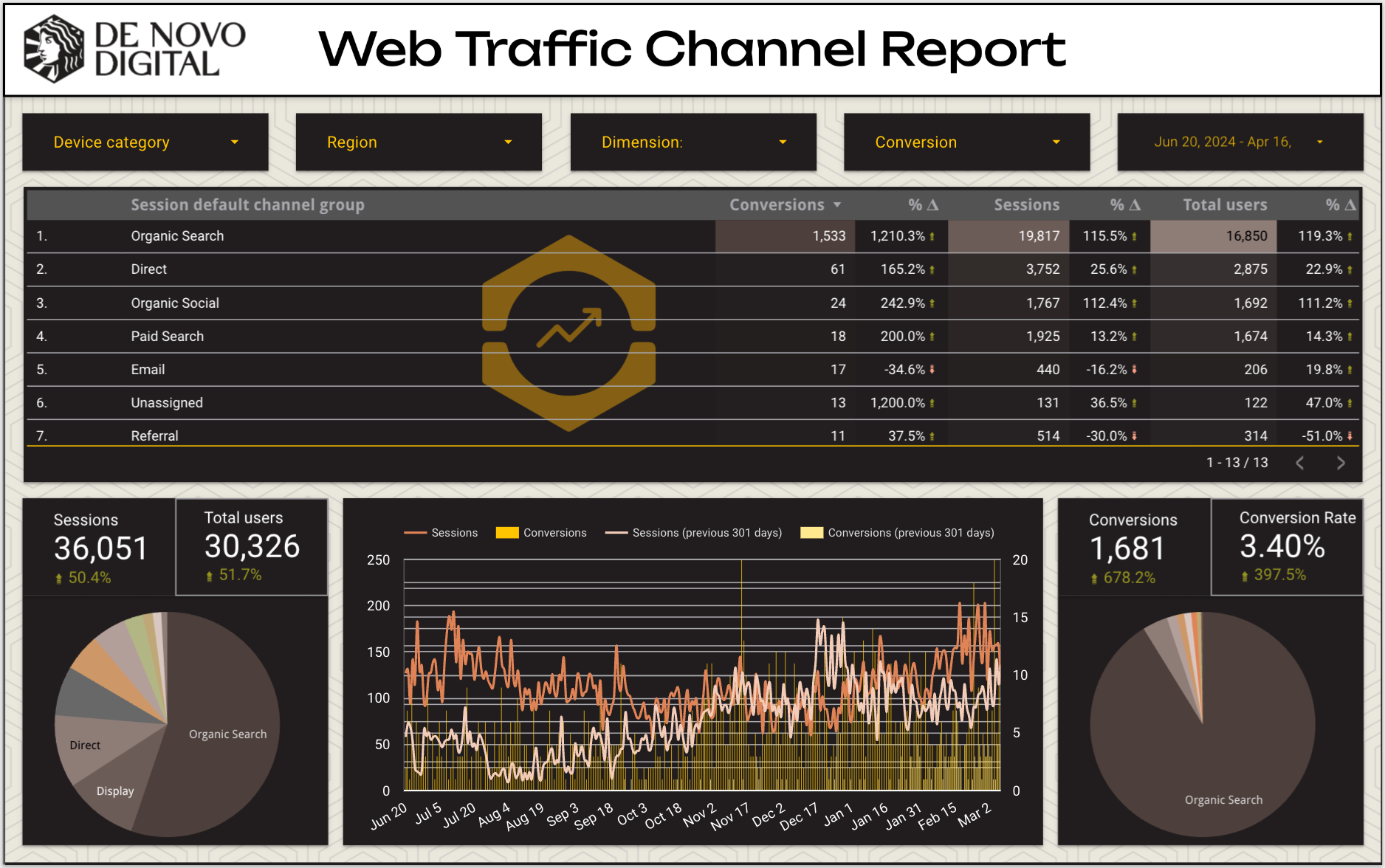 Understanding your conversion rate across channels helps SaaS companies determine which campaigns produce the best ROI.
Choosing a SaaS Lead Generation Agency
Many companies look for a SaaS lead generation agency, SaaS lead generation company, or B2B lead generation agency for SaaS when internal teams need more strategy, execution, or measurement support.
The right partner should understand that SaaS lead generation is about building a long-term pipeline strategy – not just managing campaigns.
Before hiring a SaaS lead generation agency, ask:
- Do they understand B2B SaaS buying journeys?
- Can they support SEO, paid media, content, landing pages, and analytics?
- Do they connect lead generation to CRM and pipeline reporting?
- Can they help define lead quality?
- Do they understand product-led and sales-led motions?
- Can they support conversion rate optimization?
- Do they measure beyond form fills?
- Can they help with AI search visibility?
- Do they understand account fit, lifecycle stages, and attribution?
- Can they improve both lead volume and lead quality?
The best SaaS lead generation agencies help teams build a system, not just run campaigns. They should help attract the right audience, convert high-intent visitors, nurture prospects, and show which efforts are creating real pipeline.
Build a Better SaaS Lead Generation System
SaaS lead generation works best when every part of the funnel is connected.
Content should attract the right audience. Paid media should test and scale strong offers. Landing pages should convert qualified prospects. Email should nurture interest. Product signals should identify serious users. CRM data should show which campaigns create pipeline. Analytics should guide better decisions.
At De Novo Digital, we help B2B SaaS companies build lead generation systems that connect SEO, paid media, content, landing pages, analytics, conversion tracking, and AI search visibility. As a HubSpot Partner Agency, we can help you build a strategy designed around qualified pipeline, better measurement, and sustainable growth.
Connect with us today to learn more about our SaaS lead generation services.